– Business Requirements –
- Business Requirements (BRD) creation must begin by talking and listening to people.
- Competent BA’s should be able to understand what is meant rather than stated.
- Once understood, it falls to the BA to craft the necessary documents, stating it clearly.
- BRDs both confirm the Client’s expectations and provides DEV a clear path forward
Provided are numerous Business Requirement Definitions (BRDs) samples from my career, covering both Waterfall and Agile methodologies. This includes varied projects types, including…
- Enterprise Resource Planning (ERP)
- Enterprise Asset Management (EAM)
- Transportation Management Software (TMS)
- Government Projects (DOT)
PORTFOLIO DIRECTIONS
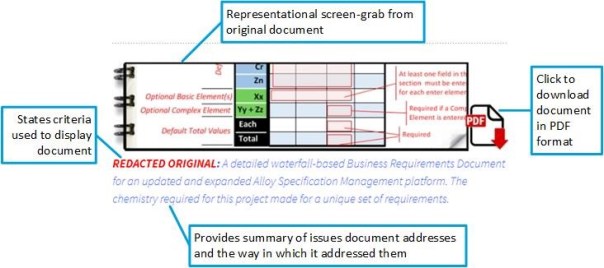
PORTFOLIO CONTENTS
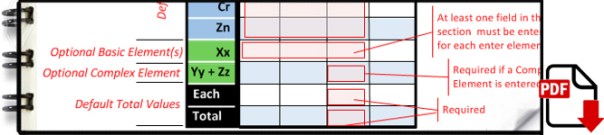
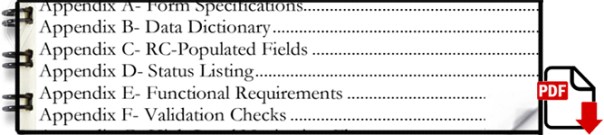
(PUBLICLY AVAILABLE) This 300+ page BRD (available via FOIA) detailed a crucial Bridge Inspection Management System for the State of Georgia that was responsible for securing $12M in Federal funding per year. Government agencies demand far greater detail than private concerns.

(CLIENT BANKRUPT) This is an instance of an out-of-date system, in this case an Enterprise Asset Management platform that was created during the early days of the DOT.com boom, being replaced with an upgraded version while still keeping all legacy functionality.
REDACTION POLICY
- REDACTED ORIGINAL: Document edited for online display to protect sensitive data from Public view while still retaining it’s structure and form.
- PUBLICLY AVAILABLE: Any documents authored at GDOT are available to the general public on request and therefore are not redacted in any way.
- CLIENT BANKRUPT: In circumstances where both sides of the dev agreement are no longer in business the documents are treated the same as OBSOLETE ORIGINAL.
 Atlanta BA